

Long Range Shooting Tips
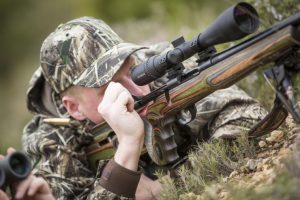
Long range shooting is another skill that needs to be mastered by those with handguns. Many don’t think about this. They give time to mastering pulling their concealed carry weapon from its holster, holstering it securely and practicing close range shooting.
However, if you are seeking to protect yourself, your property, and your family, sometimes long range shooting is necessary.
Those who protected themselves and others in mass shooting venues definitely needed longer range expertise.
There are many factors to consider when you are aiming at a target from a distance. Time and patience are needed to get just the right shot. If you want to improve long-range accuracy, here are some things to perfect:
Choose an optimum shooting position
Make sure your weapon is pointing at the target.
Realign by moving your body. Begin with your legs. You may need to lift and reposition your weapon. Consider using a bipod.
Get a Solid, Steady Position
Most long-range shooting is done from a prone position. To do this you need to make sure your body is well grounded. Use your elbows down and your forearms also on the ground to ensure your weapon is steady.
Use your weaker hand to support the gun butt at the shoulder.
Perfect Your Scope View
Refrain from taking a shot until it is clear. Don’t let things like shadows or tunnel vision throw your shot off. Lining up the shot is vital.
Do the shot release and follow through without Moving
Squeeze and release the trigger using the centre pad of your index finger. Your fingernail should be parallel to the trigger guard.
Squeeze the trigger, maintaining your gaze fixed through your scope. Don’t blink or flinch.
Hold Weapon Firmly but not in a Death Grip
If your grip is too tight, this will be affected by the recoil. Hold of the pistol grip with your thumb curled around it.
Practice Short Range First
Don’t begin with long-range shots even if that is your ultimate goal. Perfect your short-range skills first. Make sure you have the ability to shoot consistently at short range first.
Check our Wind Effects and Gravity on Your Ammunition
When you have perfected other short-range shooting skills, then you can move on to longer shots. That’s the time to consider factors beyond your weapon and your ability to aim and shoot it. These long-range factors include how the wind and gravity affects your shot. Wind updrafts and downdrafts become factors in long-distance shooting.
You then need to measure distance from your weapon to the target and calculate wind speed and direction, other weather factors and ballistic data.
As you begin longer range shooting buy a wind meter, a laser range finder, and a ballistic solution for your weapon.
Remember there are other factors
Besides your weapon, your skill, calculating wind speed, noting other weather factors, you need to consider such geographic features as topography and trees.
The only way to perfect your long-distance shooting is to practice with many rounds fired. Note areas where you need improvement and hone this skill. You will know you’ve succeeded when you can consistently hit your target under the toughest conditions.
Take Nothing for Granted
Just because you’ve made an ace shot one day means nothing. Don’t get complacent. Take a leaf from Tiger Woods. Practice even when you’ve had a good day.
Your goal is to make that shot when it counts.
Don’t confuse long range shooting with real targets
No matter how much practice you have. No matter how good your shooting range shots are, shooting a real person or animal is a whole other thing. The more practice you have the more automatic your responses will be. Expect tension, nerves, sweating, unsteady aim will occur when you aim your weapon at something or someone with a heartbeat.


