

What Happens after a Self-Defense Shooting?
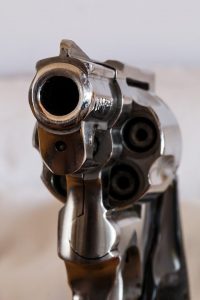
Photo courtesy of pixabay.com
You stopped an armed robber who had broken into your house. Fearing for your life and protecting your property, you shot the robber. You exercise your Second Amendment right. You had a concealed carry permit for your handgun. You stood your ground. It was a justified shooting. Right? End of story!
I am sure most of American citizens believe that to be true. Let’s take a look at what happens after a self-defense shooting.
There are consequences to carrying a concealed weapon. A good outcome is saving a life or protecting property. A bad outcome is the possibility of criminal charges or civil suits which can ruin you financially or land you in jail.
First someone—perhaps you—or a witness calls the police to report a shooting. The call is recorded. The recording and any subsequent interviews will be recorded and presented to the judge who will decide if charges are pending.
If you make that call, remember everything you say will be recorded and analyzed. Be brief. Be accurate. Write what you are going to say before you make your report. If an ambulance is needed, request one.
Police will arrive because of the reported incident. Again, if you were the shooter or you reported the incident be brief. Be accurate. Do not offer details.
Uniformed police will arrive in police cars, lights and sirens at full tilt. Do not make any rapid moves. Place your weapon in plain view and away from you.
Do exactly as the police tell you. They will secure the scene.
Investigators, the coroner, and examiners will arrive next. Evidence will be marked, photographed and collected for analysis. A forensic specialist or crime scene investigator(s) will review evidence, trace, and patterns like blood droplets and spray.
Witnesses will be interviewed. Someone from the homicide bureau and the district attorney’s office will arrive if the assailant has been killed.
The DA will look at the scene, the evidence, and interview witnesses.
Avoid answering any questions without legal counsel. Do not cave to police pressure. Remember whatever you say will become formal statement. You cannot unsay anything you say.
Don’t believe promises made by the prosecutor or the police.
You might be arrested and even put I a cell while an investigation continues if police and DA decide there is some question of your claim of self-defense.
Charges may be filed. Then you will be arraigned before a Judge. If the judge decides there is sufficient evidence to charge you, you could be released on bail until your trial.
Because this scenario could occur, associations like NRA will suggest you have concealed carry insurance. Like all insurance you hope never to have to use it but this insurance will help you cover legal fees. See my blog on insurance for more details.
The DA will mount a case based on evidence like blood spatters, gunshot residue, bullet trajectory, the gun, from the crime scene including physical evidence, photos, witness reports, police reports, your statement. The medical examiner’s report will also be reviewed.
After all of this information and facts are reviewed by the district attorney or his representative, you will be interviewed. Your actions will be taken scrutinized meticulously.
The media will report on the facts as they see them.
Based on everything he has learned the District Attorney will drop the case, take it to trial, try to settle it out of court or? His choice is all based on whether he can make a case that there is “reasonable cause” that a crime was committed.
If your case goes to trial, your lawyer may advise that you not to testify.
Court costs can become very expensive. There are attorney’s fees. Your lawyer may want to hire a team of experts. Some experts charge as much as $5,000 for an initial report and thousands for their trial testimony.
The stress on you and your family can be unbelievable.
In a split second your aim to self-preserve and/or to protect your property can turn into a nightmare criminal or civil lawsuit.
Besides honing your shooting skills, you need to prepare for repercussions from simply defending yourself. This may never occur but you need to be prepared.


