

WHEN IS THE USE OF DEADLY FORCE JUSTIFIED?
If you keep or carry a gun for self-defense, you should understand the circumstances under which the use of deadly force is warranted.
In 49 states (all except Texas), lethal force is only authorized when serious harm is presumed to be imminent. Even in situations where self-defense is legally justified, there can be serious civil or criminal liabilities when a concealed carry permit holder brandishes or fires his/her weapon. For example, if innocent bystanders are hurt or killed, there could be both civil and criminal liabilities even if the use of deadly force was completely justified.
The key word here is “justified”. When would killing someone with your concealed carry handgun be justified?
Justification is based on the concepts of necessity, opportunity and reasonability.
- Did the attacker try to hurt you?
- Did the attacker have the ability to hurt you?
- Were you in immediate danger of harm?
- Could you have escaped the situation?
- Could you have defended yourself by any other means than deadly force?
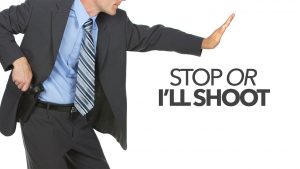
- Did you warn your attacker that if they did not stop you would shoot?
Necessity
Many states recognize that deadly force is necessary when someone is committing, or without a doubt about to commit a felony. As a general rule, robbery, burglary, and any other felony that would be punishable with the death sentence is justified reason to use deadly force against another human being.
Most states allow you to use deadly force to protect yourself, and other innocents as well.
Opportunity
There are a lot of bad people out there but unless they have threatened to harm you and you fear your life is in danger, you are not justified in shooting them. They must have had the opportunity to try to harm you.
Some states require you to “escape” the situation if you can, stating that you have a duty to retreat. If you knowingly had a way out of the situation, the state could possibly charge you with murder. There are some exceptions to this such as:
- Castle Doctrine Law, which states that a person is protected from prosecution in using deadly force to defend his home and/or property
- Stand Your Ground Law, which states that a person does not have a duty to retreat if they are defending themselves from an imminent threat of personal harm.
- Make My Day Law, which is a Colorado state law that shields a person from any criminal or civil liability for using deadly force against a home invader.
Reasonability
Would a reasonable person in the same situation be likely to use deadly force in self defense? Most people would agree that you had to use deadly force if :
- your attacker had the ability to kill you or seriously injure you with a deadly weapon
- your attacker was close enough to actually attack you
- your attacker was trying to attack you
- your attacker intended to harm or kill you
Some states require you to provide more reasons other than just an imminent danger to your life or body. California, Colorado, District of Columbia, Idaho, Maryland, Massachusetts, North Carolina, North Dakota, and Rhode Island all state that you cannot use more force than necessary. Meaning if you could have defended yourself any other way than deadly force would not be justified.
Many states have also adopted escalation of force laws along with provisions for concealed carry. These include the necessity to first verbally warn a trespasser or lay hands on a trespasser before a shooting is justified (unless the trespasser is armed or assumed to be so). This escalation of force does not apply if the shooter reasonably believes a violent felony has been or is about to be committed on the property by the trespasser.
Our second Amendment rights do afford us the ability to defend ourselves,our loved ones, and our property. However, we must exercise caution. The use of deadly force is only justified under conditions of extreme necessity as a last resort, when all lesser means have failed or cannot reasonably be employed.


